
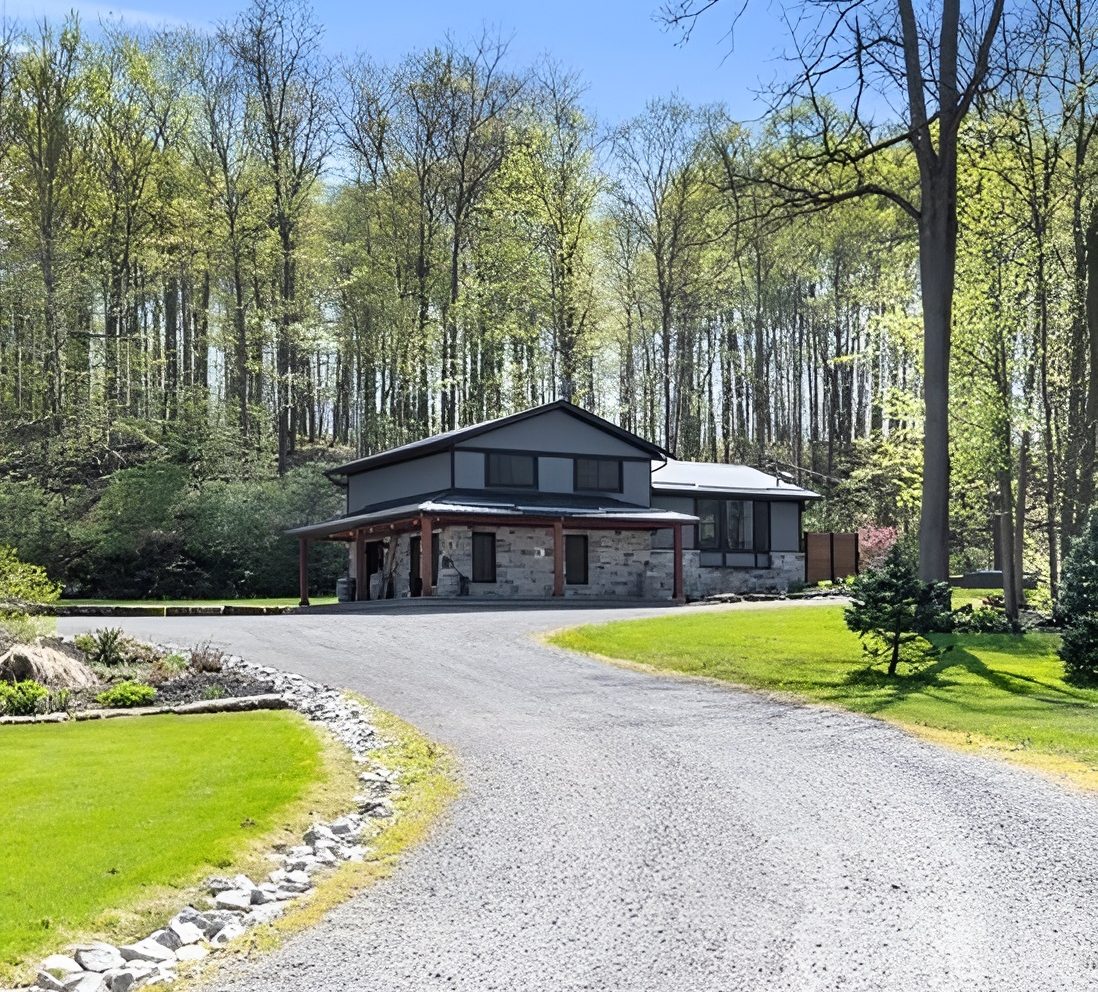
Always wanted to live in the country? Here's what you need to know
I've always dreamed of waking up the morning and having my cup of coffee looking out over farmlands or fields. A fire pit in the backyard, and lots of space around me. If you've been thinking of making a move like this here's some considerations.
Location
Country living isn't everyone's idea of bliss. First off, you need to balance the area you're considering with your daily needs. Proximity to shopping, groceries, work and medical care are all considerations depending on your situation. Generally speaking the further away you go from a major town or city the cheaper, but often this comes at a compromise. In winter, it may take longer for your street to be plowed if it's not a major route. You'll definitely enjoy more tranquility and peace, and as long as you can manage what you need on a daily and weekly basis this should be where your decision making process begins.
Utilities
Living in an urban or even suburban setting means we often take utilities for granted. Understanding how to navigate potential alternate options depending on the location of the property you're considering is important. Knowing what to look for and be aware of will help you make a better, more informed decision.
Sewers & Septic
If you're past the general limits of a smaller town, there won't be any city sewers to connect to. The solution to this has always been a septic system. There's several options here, but generally they consist of a septic tank to hold the waste and wastewater generated by a home. Without getting too in depth the major considerations of a septic would be:
- Age - Of course, the newer the septic the better off and longer lifespan it should have. Older systems often used clay pipes which deteriorate over time. Current ones use PVC and plastic and have extremely long life spans
- Size of the holding container - The larger the container, the less often you'll need to have it pumped out. Over time the waste accumulates and you definitely don't want your septic to overflow. Larger tanks have more capacity and can go longer between cleanings costing you less money.
- Leaching bed condition - most systems will take the waste water, remove the solid waste and pass the water through a leaching bed. This method allows the tank not to fill up with water and save lots of money with less cleanouts. Ensuring the bed is in good condition can help the system function at its best.
A good septic system is key as replacement costs depending on size and location from the house can get into the tens of thousands of dollars. Having the system inspected prior to purchasing a home will inform you as to the lifespan and condition, and give you peace of mind moving forward
Water and Gas supply
Again, depending on your proximity to a city or town centre, pipes for municipal water and gas supply may not extend to the area you're looking at. There's several solutions.
For water, having a well dug or cistern system are the two most common ways to have a constant supply of clean, fresh water.
- Wells - digging a well isn't always a cut and dried solution. Depending on how deep the water table is where you're looking they may need to go very deep to hit water which can affect the price. If the property already has a well, having the system inspected is key. Age of the pump, and having a potable water test will help. Many homes also have additional filtering, anywhere from 2 to 4 stages, to ensure the water is odor and flavour free. Filters do need to be changed from time to time.
- Cisterns - essentially a large holding tank underground for water, these are a good solution for non-potable needs like laundry, toilets and garden hoses. While they can sometimes be used for drinking water, the size of the containing tank and potential for contamination add some complexity to using them for drinking water. The best solution to ensure clean water is having water delivered in addition to the cistern
As for gas lines, the most common solution is a large propane tank (or tanks) on site. Many propane companies will rent the tank to you and keep it filled as needed. This is a great way to have propane for furnaces, bbqs and cooking as needed. Many tanks also have a wireless transmitter to inform your gas supplier when they need to be refilled, making sure you don't run out in the middle of cooking thanksgiving dinner!
Hydro
It's rare in most of Southern Ontario not to have a hydro hookup. That being said, understanding what you need is important.
The service in terms of how many amps are provided to the home is the main consideration. 60 amp service was the old standard, which can be a little low for today's electric lifestyle.
100 amps became much more common in the last 40-50 years and is what you'll find most often. This is generally enough to easily run a 3 bed, 2 bath household with some exceptions.
200 amp service has now been mandated as standard on all new builds. The extra power is needed as electric vehicles rise in popularity. Having additional power supply means less chance of tripping circuit breakers as the load demand increases.
Internet
What used to be considered a luxury is now a necessity with more people connected and often working from home. Having access to high speed internet has become a non-negotiable for many people.
The network of fiber optic cabling is growing every day. That being said, not every rural area has access to high speed cable or fiber optic service. Often even cell service can be spotty in some areas.
Alternative solutions can be provided by cell-to-internet services (provided the cell service is good enough) or now with the rise of sattelite internet providers this problem is almost non-existent. At the moment there's only limited companies but over the next few years several new sattelite internet companies are set to launch.
Factoring in the additional monthly costs and costs of the hardware are things you should consider. Luckily the days of zero internet accessibility are almost gone.
Municipal restrictions
This particular issue only applies to specific people but it's worth a mention. Buying a place with several acres with a plan to either building additional outbuildings, extending the current home or tearing down and custom building your dream home seem like a wonderful idea.
With the greenbelt covering large swaths of the land in Southern Ontario understanding where the property you're considering sits and knowing what's allowed and not allowed is important. A call or email to the local environmental commission will ensure that whatever your future plans are will be permitted. Often lands that are protected will have severe or even complete restrictions on any additional development. Best to know what you can do before you start offering on that huge plot of land only to find out you can't do what you were hoping to do.
Uses of the surrounding land
This one often isn't considered by buyers until it's far too late, they've been living in the house and suddenly find local disruptions are interfering with their blissful country life dream.
Proximity to farm land, working farms and/or railways are big ones. If you have a great spot next to an active farm land where they spread manure, spray pesticide and turn the soil over every fall it can be a shock to someone who just bought their first country home.
As well, being close to an active railway line sometimes leads to disrupted sleep and a less than peaceful experience. Knowing what's happening around the home and on the adjacent land can avoid that potential problem. There are even resources to help you understand how heavily used a railway line is and when you may expect trains. Conversations with neighbors prior to purchasing will also help you get a great idea of the impact farms and farming has had on the people who currently live there. A bit of due diligence will ensure you wind up with the type of country living experience you're looking for.
Additional services
Another consideration for many people that they don't realize until after they move and have lived in their new home can be additional services such as waste collection and snow removal.
If the home you're considering has a long driveway the logistics of keeping it clear of snow during the winter can be a consideration. Hiring a landscaping company to plow your road or investing in a tractor and/or additional snow removal equipment are solutions. As well, if you commute and live on a more remote concession road it can take awhile during a significant snowfall to have your road plowed out. Being aware of potential issues like this regarding weather can help you plan for such contingencies.
Waste removal such as garbage and recycling pickup can also be issues. Most municipalities do have curbside waste pickup, but often there are limitations on the amount you're able to put out weekly. In more remote areas you may even need to take your garbage and recycling to a waste transfer station yourself. In southern Ontario these scenarios are rare but a little digging can make sure you're prepared and have solutions in place before they become an issue.
In conclusion
If you've always dreamed of country living it's within reach. Understanding any potential pitfalls and working with a realtor who understands the different needs and potential issues with a rural property is key.
If you have more questions or are considering a move into the country reach out!